
Fertility Drugs: How Do They Work?
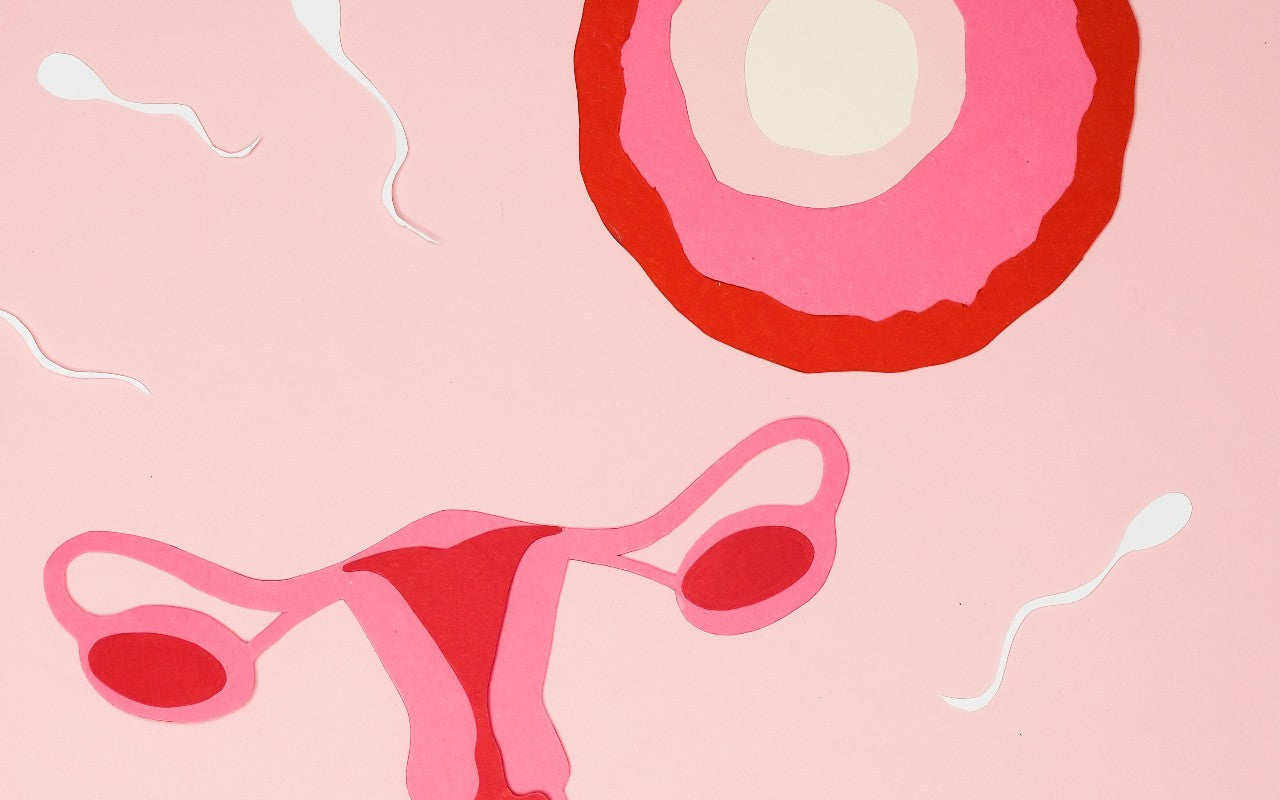
When it comes to problems with falling pregnant, there are a myriad of reasons as to what the cause(s) could be. A poor diet or even lack of sex could be the culprit.
However, if you’re battling with infertility – which, FYI, is officially listed as a disease by the WHO – you’d need to sit down with a professional to discuss different treatments. These might be In Vitro Fertilisation (IVF) or Intrauterine insemination (IUI), or another method, but they’d likely involving taking specific fertility drugs.
Which Fertility Drug Does What?
There are three main categories of drugs that could help boost your baby-making chances, and they’re taken at different junctures of your fertility journey. Keep in mind that every body is different and a doctor could recommend that you use one or more at a time. Some you may not use at all.
#1: Helping ovaries make mature eggs
Most common drug: clomiphene citrate, brand names Clomid
How it works: causes glands in your brain to release hormones that get your ovaries to make eggs. Ovulation at about seven days after taking the pill. Most people fall pregnant in about three cycles.
#2: Stimulating the release of an egg
Injectable medications called gonadotropins, similar to the hormones produced by your body, follicle stimulation hormone (FSH), luteinizing hormone (LH). You can take these at home during your cycle.
How it works: The exact chemical make-up of your injection could differ depending on your needs, but typically, gonadotropins are meant to help mature eggs for fertilization.
#3: Preventing eggs from being released
If you’re doing IVF or another controlled procedure, doctors want to manage when your egg is released. This is done by taking oral contraceptives, or something called Gonadotropin releasing hormone agonists (GnRH) or antagonists.
How it works:
GnRH agonists
These stop your body’s production of oestrogen and progesterone, which halts ovulation.
GnRH antagonists
These halt ovulation by preventing the release of LH, which leads to egg maturation. It also works faster than agonists.
Oral contraceptives
Confused about being back on The Pill when you’re trying to conceive? Taken before starting gonadotropin injections, these are helpful when scheduling the cycle, so doctors know exactly when you’re ovulating. They also inhibit hormone production.